J Bar T Highland Cattle Company logo
J Bar T Highland Cattle Company

Registered Highland Cattle Since 2003

Breeding With Purpose

J Bar T Highland Cattle Company raises registered Highland cattle on the Ozark Plateau, combining breed character, show ring experience, practical performance, and measurable data.

Our Background

J Bar T Highland Cattle Company has been raising registered Highland cattle since 2003. We started with a small group of registered Highland animals from local breeders and grew into a family farm focused on breeding Highland cattle for beef, show, and long-term genetic improvement.

After many years in Colorado, our family and our fold migrated to Missouri. Today, we raise registered Highland cattle near Summersville on the Ozark Plateau, where our cattle are evaluated for structure, breed character, usefulness, and performance.
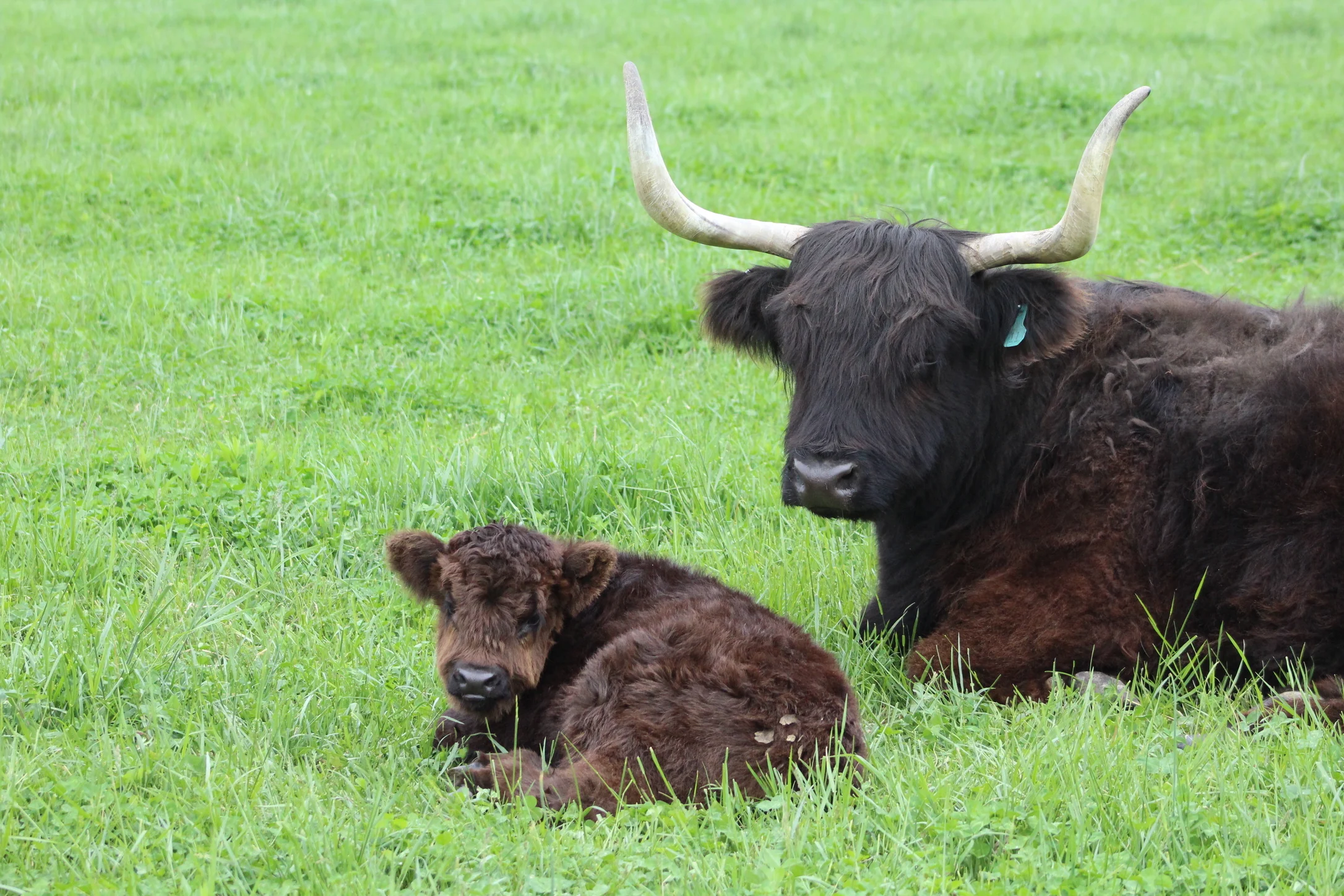
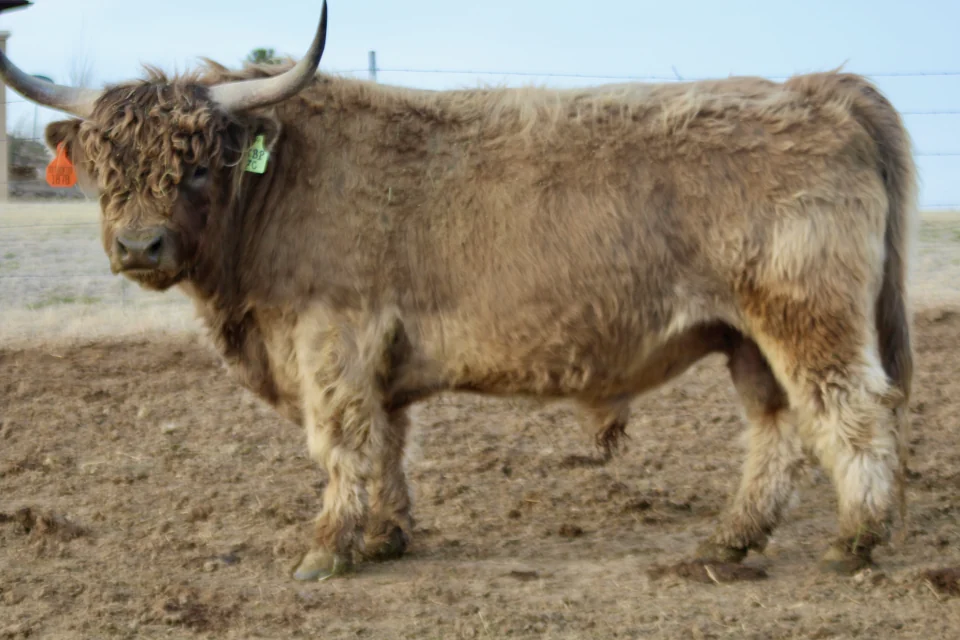
What Guides the Herd

Our program is built around practical cattle, careful evaluation, measurable information, and steady improvement over time.

01

Breed Character

We believe Highland cattle should remain hardy, sound, maternal, and recognizable as Highland cattle. Breed type still matters.

02

Show Ring Evaluation

We use the show ring as one evaluation tool. It provides comparison, judge feedback, breeder interaction, and a public look at how our cattle stand beside their peers.

03

Methodical Improvement

We combine observation, pedigree, ultrasound records, genomic testing, and selection pressure to make more purposeful breeding decisions over time.

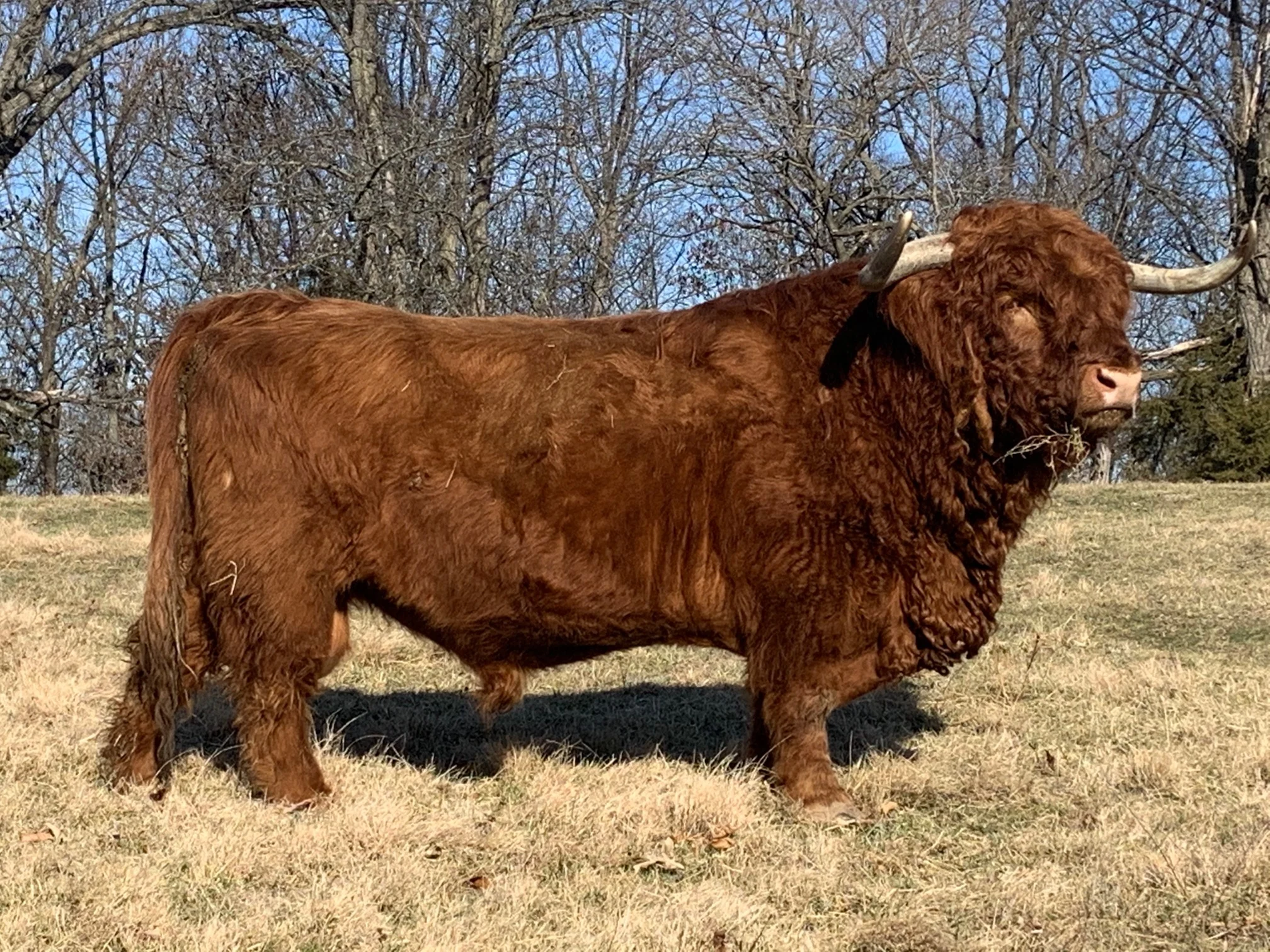
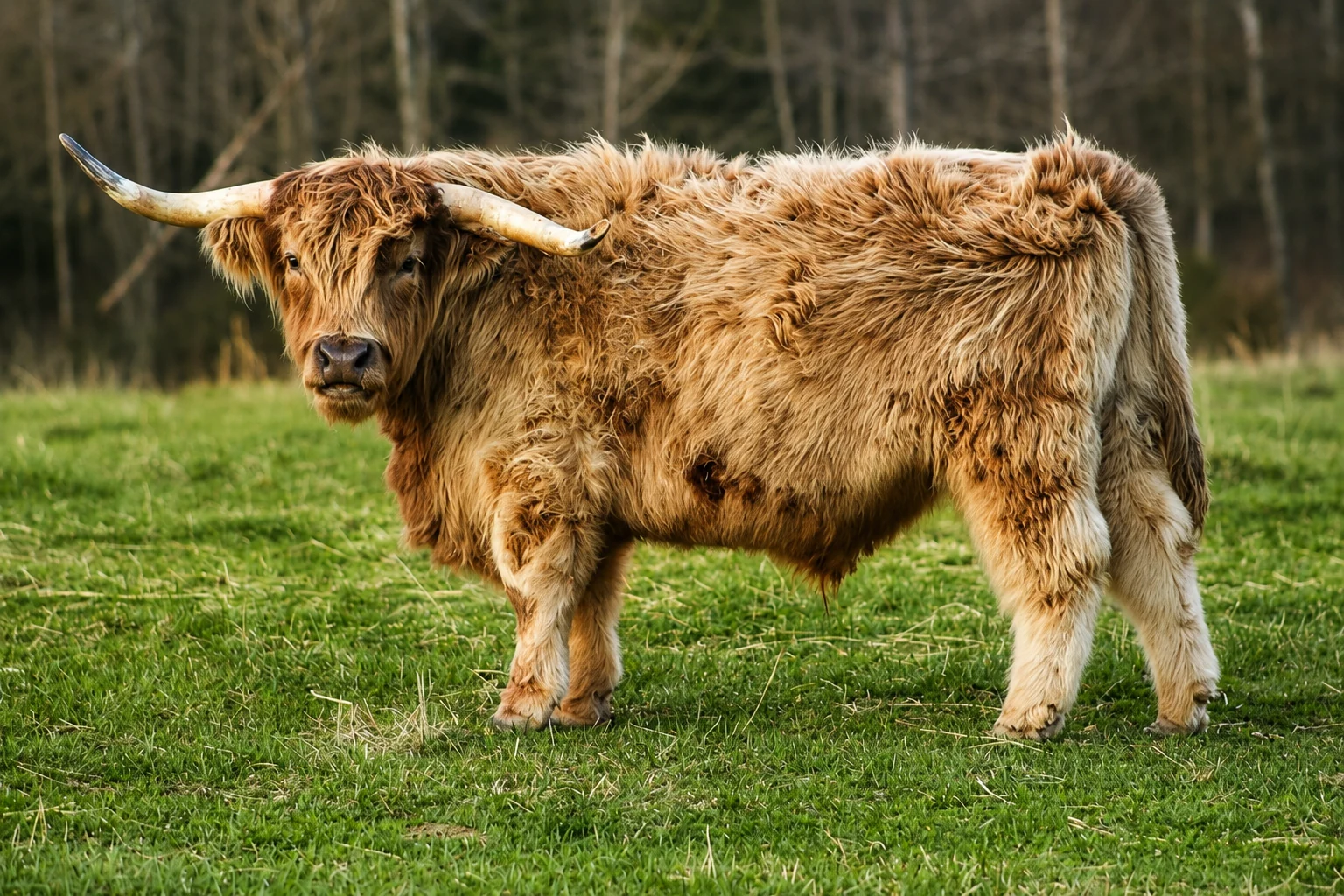
Registered Highland bull showing Highland breed character

01 | Breed Character

Preserving what makes a Highland a Highland.

Breed character is more than appearance. For our program, it includes the traditional traits that make Highland cattle useful, recognizable, and worth preserving: hardiness, soundness, maternal ability, disposition, practical structure, and the ability to produce a useful beef animal.

We believe improvement should not come at the cost of losing the identity of the breed. A good Highland should still look, function, and perform like a Highland while becoming more consistent and useful over time.

The evidence behind the statement.

These are the historical, practical, and measurable factors we use to support our idea of Highland breed character.

Function

Historically, Highland cattle were expected to travel from the outskirts of the Scottish Isles and Highlands to trysts where drovers gathered herds before moving them south toward England.

These cattle needed the capacity to travel long distances and still arrive in condition to be marketed for beef. That history shapes how we think about structure, movement, soundness, and practical usefulness.

Temperament

Docility matters in a family cattle program. We try to cultivate calm, manageable cattle throughout the fold.

Animals that do not exhibit acceptable temperament are generally not selected as future breeding stock. Cattle raised only for beef may still have value, but temperament matters when selecting replacement animals.

Carcass Quality

Breed character should not be separated from beef quality. As we improve our fold, we consider carcass-related traits such as ribeye area, ribeye area per 100 pounds, intramuscular fat, backfat, and overall carcass balance.

Where available, we use ultrasound data from National Western Stock Show bull testing to help evaluate carcass potential and compare animals more objectively.

We have recently started sampling our fold using Igenity Beef Profiles offered by NEOGEN. These results help us better understand the genetic traits within our animals and provide another source of information to guide future breeding decisions.

Genetics

We try to stay true to Highland character and appearance by using genetics that support sound structure, breed type, performance, carcass quality, and traditional Scottish influence.

Caledonia's Calling Heritage Caledonia's Calling Heritage was used in our program for many years. He was imported into the United States from Canada and was an AI calf by Calum Seoladair Dubh 2nd of Killochries.
Black Watch Finn Black Watch Finn was used for a couple of years. Finn was an embryo transfer calf out of Fingal of Auchnacraig and Diana of Kiyiwana, with Leys breeding on both sides.
STR Maverick STR Maverick is currently being used in our program. He is an AI bull out of Summit Ranch York, with Jock of Glengorm, Leys, and Balmoral genetics appearing in his three-generation pedigree.
Hardiness Sound Structure Docility Carcass Merit Genomic Testing Scottish-Rooted Genetics
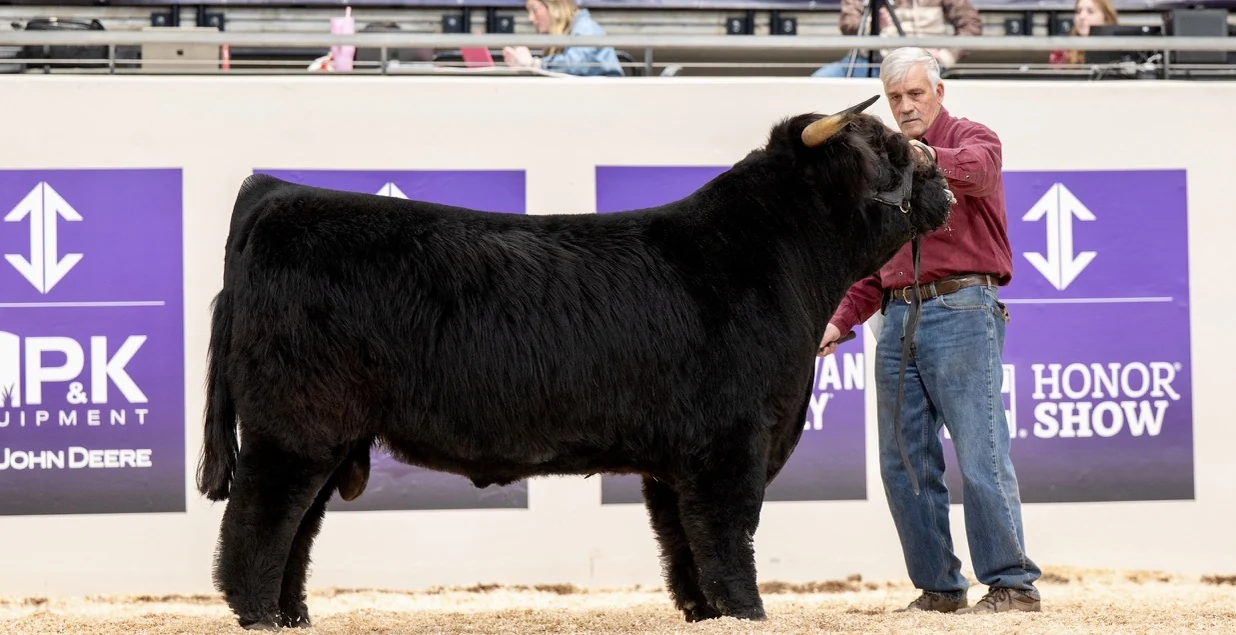
Registered Highland bull being shown in the show ring with handler

02 | Show Ring Evaluation

The show ring is useful, but it is not the whole story.

The show ring has value because it gives breeders a place to exhibit cattle in direct comparison with their peers. It allows us to evaluate how our breeding program is progressing, observe cattle from other programs, and receive feedback from judges on how individual animals compare within a lineup.

We believe show results are useful, but they are not the final measure of an animal or a breeding program. A ribbon can confirm strengths, raise questions, or point out areas for improvement, but it should be considered alongside structure, temperament, pedigree, performance, fertility, maternal ability, carcass potential, and long-term usefulness.

How we use the show ring.

Shows provide comparison and feedback, but results must be interpreted in context.

Peer Comparison

Showing cattle provides a public side-by-side comparison. It allows us to see how our animals stand up against cattle from other breeders and different regions of the country.

That comparison can help confirm strengths in a breeding program and reveal areas that still need improvement.

Judge Feedback

Judges provide another set of eyes. Their observations about structure, movement, breed character, balance, and overall quality can help us evaluate whether our breeding decisions are moving the fold in the right direction.

We view those observations as useful information, not as the only measure of quality.

Context Matters

The show ring is not always a perfectly level playing field. Animals may come from different management systems, feed programs, climates, travel schedules, and fitting styles.

Pasture-raised cattle, barn-housed cattle, regional forage conditions, weather, show preparation, and current trends can all influence how cattle present on a given day.

Marketing and Relationships

Shows also provide an opportunity to meet other breeders, discuss cattle, market animals and beef, and build relationships with people who share similar interests and breeding goals.

Those conversations are valuable because they help us compare ideas, study cattle, and stay connected to the broader Highland community.

Peer Comparison Judge Feedback Breed Type Structure Marketing Context Matters
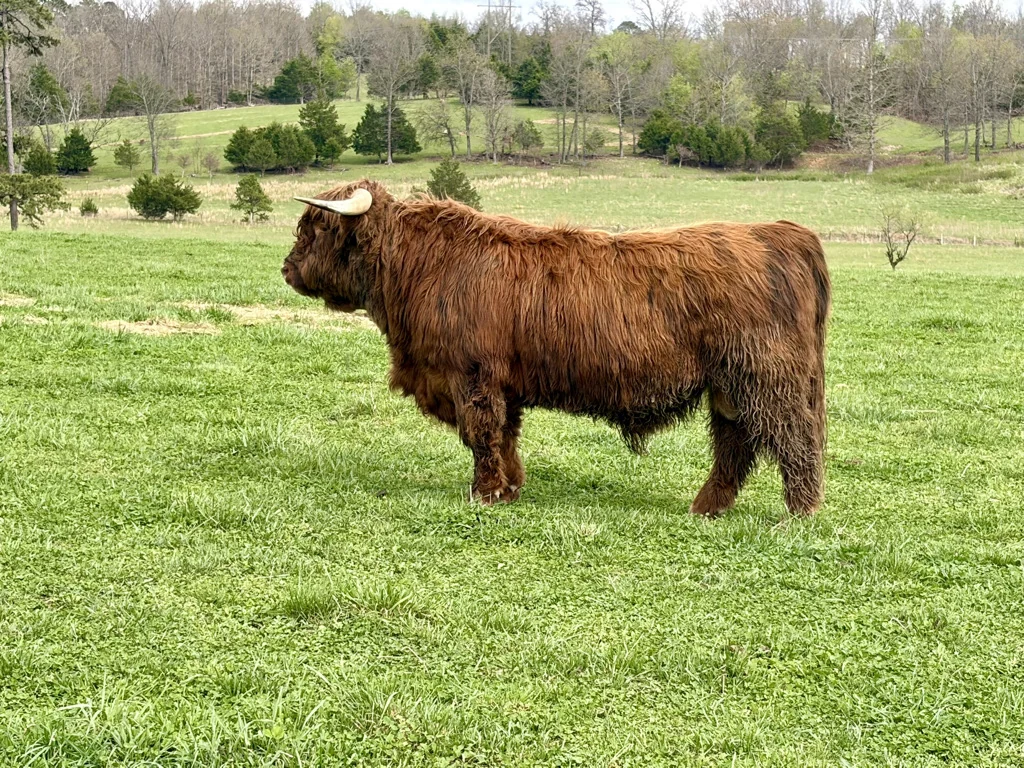
Registered Highland bull used in data driven breeding evaluation

03 | Methodical Improvement

Breeding with purpose.

Improvement does not happen by accident. Our breeding program is built around observation, comparison, measurement, and selection. We evaluate the cattle in front of us, study pedigree and parentage, and use available data to help make better breeding and culling decisions over time.

We believe data should support good stockmanship, not replace it. By combining ultrasound records, genomic testing, pedigree knowledge, and hands-on evaluation, we are building a roadmap for improved carcass quality, better consistency, and more purposeful Highland cattle breeding within our fold.

The tools behind the decisions.

We use measurable information alongside visual appraisal, pedigree, temperament, and practical usefulness.

Ultrasound Records

We evaluate ultrasound carcass data collected on Highland bulls scanned at the National Western Stock Show. There are approximately twelve years of data available from these events.

That information has been compiled into an interactive dashboard, allowing comparison and analysis across animals, classes, and traits.

Measured Carcass Traits

The ultrasound records provide a useful set of carcass-related measurements, including ribeye area, percent intramuscular fat, weight, backfat, and scrotal size.

These traits help us better understand carcass potential, maturity, and performance differences between animals.

NEOGEN Igenity Beef Testing

We have recently begun collecting tissue samples for NEOGEN Igenity Beef testing. These tests provide DNA-based trait indicators that may help us better understand the genetic potential within individual animals.

The results include information related to calving ease, maternal traits, temperament, efficiency, carcass quality, and potential yield, among other traits.

Breeding Decisions

We view these records as measurable indicators of performance and carcass potential, influenced by both genetics and management.

They are most useful when considered alongside pedigree, structure, breed character, disposition, and our own observation of the animal.

Ultrasound Data REA %IMF Backfat Igenity Testing Purposeful Selection
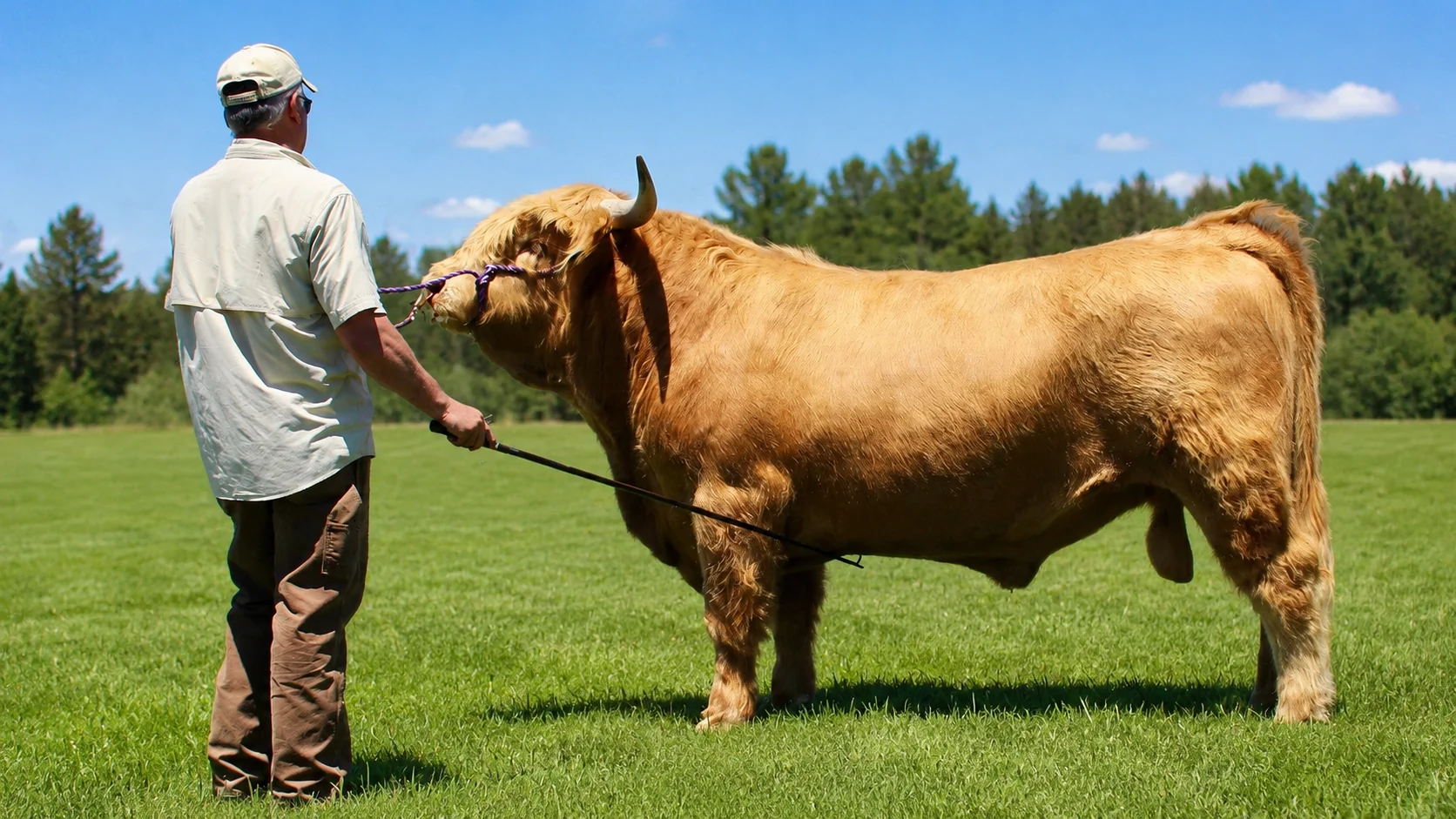
Highland cattle performance and carcass research at J Bar T Highland Cattle Company

Data-Driven Breeding Strategies

Measuring What Matters

Good cattle still have to be seen, handled, and evaluated in person. But measurable data helps sharpen breeding decisions. We use performance and carcass information where available to better understand how individual animals compare.

ADG
REA
% IMF
Backfat

Our goal is to respect the traditional strengths of the Highland breed while using better information to support more consistent, more useful cattle.

Registered Highland Cattle

All of our Highland fold is registered with the American Highland Cattle Association. Registration helps preserve pedigree information, document ancestry, and support responsible breeding decisions.

Preserving the Breed. Improving With Purpose.

Hardy, functional, and better understood.

We believe Highland cattle should remain true to the breed while also benefiting from careful evaluation, better data, and purposeful breeding decisions.